






Technical college graduates fill essential roles our communities rely on including: nurses, dental hygienists, police officers, EMTs, electricians, firefighters, truck drivers, and childcare providers.

Milwaukee Area Technical College President Dr. Anthony Cruz’s opinion piece on the value of technical colleges appeared in the Milwaukee Journal Sentinel on Friday, September 18.
Wisconsin loves its technical colleges. Why? Because they offer an unmatched return on investment to students and taxpayers.
The state’s 16 technical colleges that make up the Wisconsin Technical College System (WTCS) serve nearly 300,000 students and are the primary economic engine powering Wisconsin's workforce.
As Wisconsin’s largest and most diverse technical college, Milwaukee Area Technical College (MATC) serves more than 35,000 students per year.
MATC operates on a three-part funding model: student tuition, local property taxes, and state aid. Earlier this month the WTCS board approved a focused, but visionary 2027-29 budget request as a commitment to Wisconsin's future.
Contrary to our commitment to stewardship, a recent report raised questions about how Wisconsin technical colleges fund hands-on education. The answer lies in the unmatched return on investment our students and taxpayers see every day. The report in question mistakenly claimed Wisconsin technical colleges are overfunded at $14,000 per student. This figure comes from deeply flawed data.
The Wisconsin Policy Forum pointed out, the number used in the report only includes full-time equivalent associate degree students, ignoring the 80% who attend part-time, plus 130,000 annual enrollees in apprenticeships, certificates, and workforce training.
Most technical college students attend part-time while balancing multiple jobs and family duties. MATC students’ average age is 29. Four-year universities might label our students "non-traditional," but we view them as core to our existence.
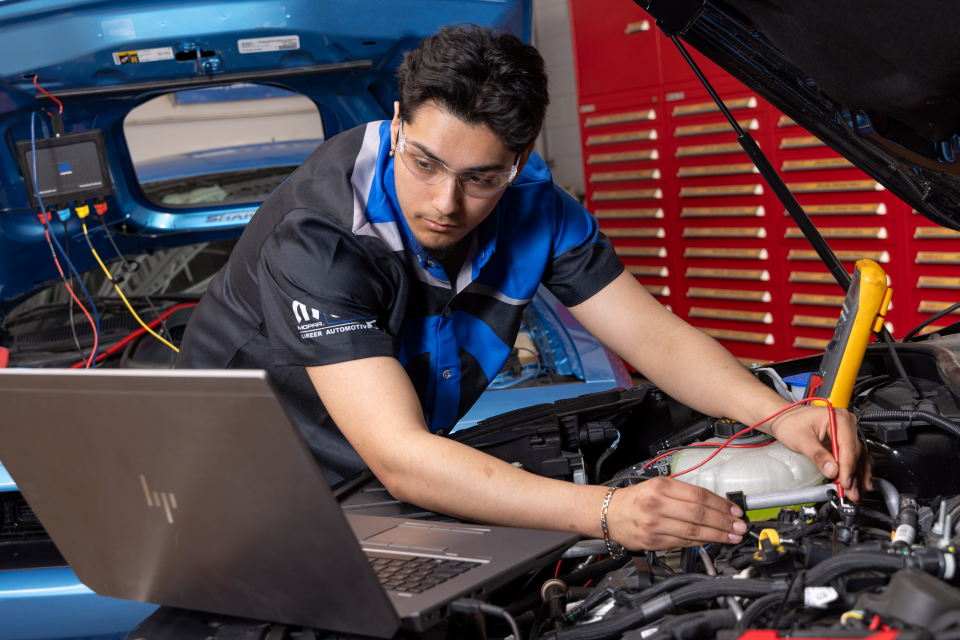
Technical college graduates fill essential roles our communities rely on including: nurses, dental hygienists, police officers, EMTs, electricians, firefighters, truck drivers, and childcare providers.
MATC students pay about $5,300 for a diploma or degree — significantly less than $8,000 tuition at the University of Wisconsin System. The ROI on that investment is almost immediate. Nearly half of our financial assistance-eligible students enter earning $30,000 or less. The median salary of all degree-earning graduates from technical colleges is $56,000.
Technical colleges connect graduates to in-demand careers
Across the state, employers need graduates who possess adaptability, critical thinking and emotional intelligence paired with hands-on, practical experience. They need employees who can contribute on day one.
MATC meets this need starting with teenagers. Through dual enrollment programs high school students take college courses while finishing high school. Participating students earn college credit, thus saving money and accelerating their time to enter the workforce.
To ensure we’re serving employers, we continually connect with business owners, industry leaders and subject matter experts, to craft programs and courses to best meet regional workforce needs.
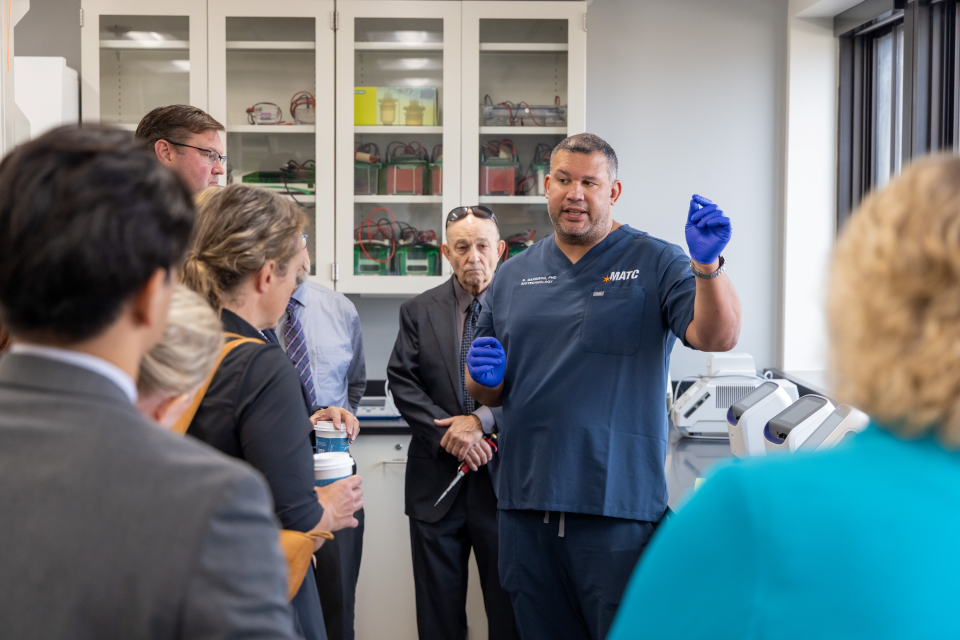
For example, in January 2026, MATC opened a new biotechnology lab and program to address Wisconsin’s growing investment in biohealth technology and personalized medicine. This effort actively attracts young adults, workers transitioning from other fields, and employees looking to upskill. The Wisconsin Biohealth Tech Hub is recognized as an excellent model for connecting high-tech growth with historically underserved talent pools.
Enrollment in Wisconsin technical colleges up 18% since 2020
Enrollment in the WTCS has risen 18% since 2020. While "brain drain" reports might apply to other sectors, they do not apply to technical colleges.
- 96% of MATC graduates stay in Wisconsin to work or continue their education.
- 87% of MATC graduates are employed or continuing their education within six months of graduation.
State employers are overwhelmingly satisfied with the quality of technical college graduates and how quickly these skilled professionals contribute to the workforce.
- 97% of employers were satisfied or very satisfied with technical college graduates’ education
- 9 out of 10 employers said that tech college program grads met or exceeded expectations
- 97% of employers believe a technical college is important to the overall success of their business
State residents and national experts are equally impressed. A recent public opinion poll found that 76% of Wisconsinites view their local technical college as vital to community success. An August 2026 report by WalletHub ranked Wisconsin’s technical colleges 9th best in the nation.
The bottom line is that students and families seek education that is affordable, relevant, local, and leads to employment and economic mobility. To continue this mission, sustain this momentum, and fully fuel Wisconsin's economy, continued public funding for technical colleges is not only vital, but plain smart.
About MATC: Wisconsin’s largest technical college and one of the most diverse two-year institutions in the Midwest, Milwaukee Area Technical College is a key driver of southeastern Wisconsin’s economy and has provided innovative education in the region since 1912. More than 35,000 students per year attend the college’s four campuses and community-based sites or learn online. MATC offers affordable and accessible education and training opportunities that empower and transform lives in the community. The college offers more than 180 academic programs — many that prepare students for jobs immediately upon completion and others that provide transfer options leading to bachelor’s degrees with more than 45 four-year colleges and universities. Overwhelmingly, MATC graduates build careers and businesses in southeastern Wisconsin. The college is accredited by the Higher Learning Commission.